The Budget on 28 October 2026 proposed a new Capital Gains Tax relief for founders of high-growth companies, and a more generous set of employee share option schemes. Both start in April 2027.
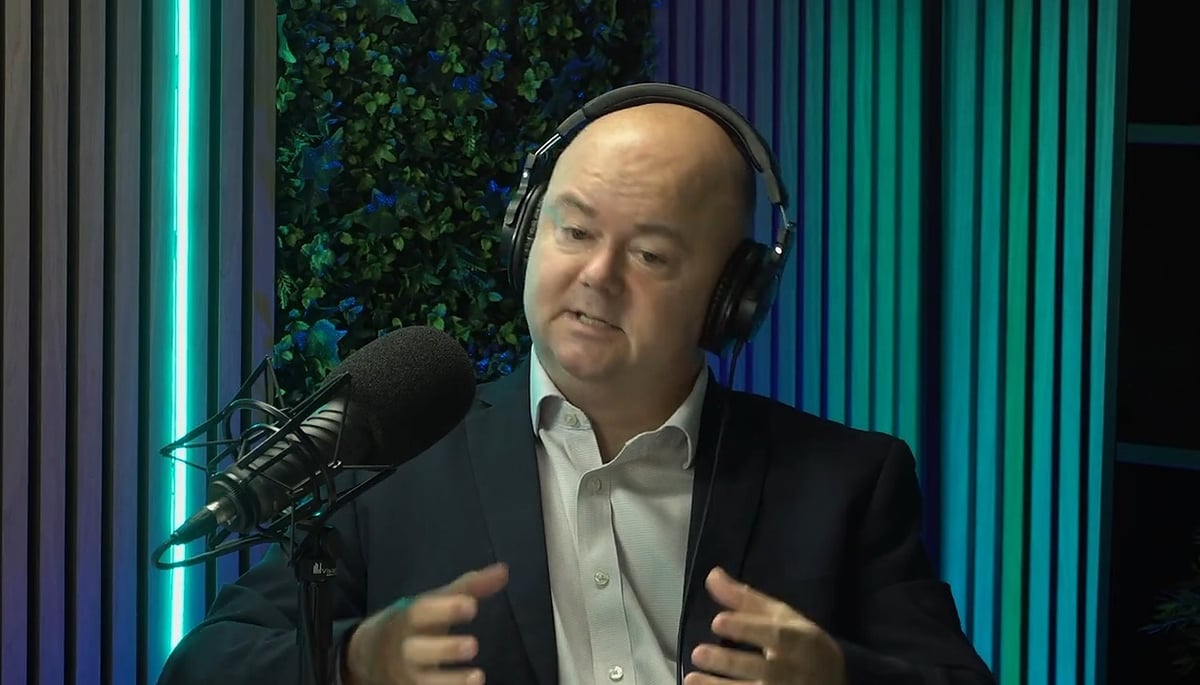
In a Budget Special of Legally Sound, the Ansons Law podcast, Neil Jones, Director and Joint Head of our Corporate and Commercial team, joined Martin De Ridder, Managing Director of Ansons Law, to look at who will benefit and what growing businesses should do now. Neil advises on the sale and purchase of owner-managed businesses.
Key takeaways
- Founders' Relief proposes a 10% Capital Gains Tax rate on up to £10 million of lifetime gains on qualifying share sales from 6 April 2027.
- The conditions are strict: the company needs at least £10 million turnover and at least 15 qualifying full-time employees, and must pass two of three growth and innovation tests.
- The design is out for consultation until 30 November 2026 and may change.
- The Company Share Option Plan (CSOP) has been rebranded EMI2. From April 2027 its individual limit doubles to £120,000 and no longer counts against the £250,000 EMI limit.
What is Founders' Relief?
Founders' Relief is a proposed relief giving a 10% rate of Capital Gains Tax on qualifying disposals of shares on or after 6 April 2027, up to a lifetime limit of £10 million of gains per person. Compared with the main 24% rate, it could save up to £1.4 million.
That is a return to the scale of relief last offered by Entrepreneurs' Relief before March 2020. Neil puts it this way:
"It's going back to the old BADR days in terms of the offering."
It sits alongside a cut to Business Asset Disposal Relief, whose lifetime limit falls from £1 million to £500,000 from the same date. Any BADR or Investors' Relief claimed from 6 April 2027 will reduce the Founders' Relief limit.
The government has committed to the relief and plans to add it to Finance Bill 2026-27. The consultation is about the detail of the design, so the conditions below may change.
Who will qualify?
Very few owner-managed businesses. The government expects only around 600 people a year to be eligible. Neil's reaction to the headline was cautious:
"When you look deeper into the detail, I think then you see the conditions around it."
Under the consultation, the individual must:
- have held at least 25% of the company's ordinary shares when it began trading or preparing to trade;
- have held the shares for at least five years before the sale; and
- have been UK tax resident for at least five continuous years before the sale.
The company must:
- be within the scope of UK corporation tax with a substantial UK presence over the previous five accounting periods;
- be a trading company, or the holding company of a trading group, without substantial non-trading activities or excluded trades (the Enterprise Investment Scheme list, which includes dealing in land, property development and many financial activities);
- have carried on the new trade it was set up for, with no major change;
- have turnover of at least £10 million in the period before the sale; and
- employ at least 15 qualifying full-time employees (working at least 35 hours a week and paid at least the National Minimum Wage), not counting directors, contractors or agency staff.
What are the growth and innovation tests?
On top of that, the company must meet two of three further conditions:
- average compound turnover growth of at least 25% a year across three consecutive accounting periods within the last ten years, starting from turnover of at least £10 million (in practice, growing from £10 million to about £19.5 million or more);
- the same rate of growth in qualifying full-time employees, starting from at least 15 (so from 15 to about 29 or more); or
- at least £1.5 million of qualifying research and development spending, with R&D tax relief claimed, in accounting periods ending in the three years before the sale.
As Neil explains, passing one test is not enough:
"You have to satisfy two of three what they call growth and innovation conditions."
The tests point clearly at technology, AI and other high-growth sectors, which Neil sees as the government's target:
"It's clearly that high growth innovation businesses, technology, maybe linked to technology, AI, as you said, fintech, that the government are looking to really see some growth in."
Some financial activities are excluded trades, so not every fintech business will qualify. There are other risks too. If HMRC later rejects the company's R&D claim, the founder could lose the relief and owe the tax with interest. Anti-avoidance rules are planned for restructuring done just to qualify.
Will it work?
The aim is to keep founders building and selling their businesses in the UK. Neil questions whether it will change behaviour or simply reward people who would have grown their businesses anyway:
"The intention is clearly to get that entrepreneurial growth happening in the UK, staying in the UK, and it'll be interesting to see if it works."
The 25% shareholding test is measured when the company begins trading. Founders who held less than 25% at that point, for example one of four or more equal co-founders, will not qualify, and nor will investors who came in later. Being diluted below 25% after trading starts does not matter. Commentators have raised these points, and the consultation closes on 30 November 2026.
What is changing for employee share schemes?
The Budget also improves the two main tax-advantaged share option schemes. CSOP has been rebranded EMI2 since 28 October 2026, although the legislation will still call it CSOP. From 6 April 2027:
- The individual EMI2 (CSOP) limit doubles from £60,000 to £120,000.
- EMI2 options will no longer count towards the £250,000 EMI individual limit, so an employee could hold options over shares worth up to £370,000 at grant across both schemes, where the company and the employee qualify for both.
- The maximum EMI2 exercise period rises from 10 to 15 years.
- The period to exercise EMI options after a disqualifying event rises from 90 to 180 days.
These build on the EMI expansion from April 2026, which doubled the company option limit to £6 million, raised the gross assets limit to £120 million and the employee limit to 500, and extended the maximum exercise period to 15 years. Neil describes the EMI2 change as:
"It's kind of a rebadging with a slight remodification of what the existing company share option plans were, with an extension to the potential financial limits on that and also a separation of the two."
Neil sees this as a positive step for businesses competing to keep key people:
"I think it will give opportunities for growing businesses to incentivise their employees who they feel that they need to retain."
What should growing businesses do now?
- Check whether your company is likely to meet the Founders' Relief tests, including turnover, headcount and R&D claims.
- Keep records of shareholdings from the start of trading, turnover growth and staff numbers.
- Consider responding to the consultation before 30 November 2026 if the rules would exclude you.
- Review your share option arrangements ahead of the EMI and EMI2 changes in April 2027.
Neil Jones and Martin De Ridder discuss Founders' Relief, BADR, employee share schemes and the wider Budget in the Budget Special of Legally Sound, the Ansons Law podcast. Watch the episode.
How we can help
Our Corporate and Commercial team, led by Neil Jones and Jamie Gill, advises founders and growing businesses on share structures, employee share schemes, investment and exits. We work alongside your accountant so that your structure supports your plans.
If you need advice on Founders' Relief, a share scheme or planning a sale, please fill out the contact form on this page, email info@ansons.law or call 01543 267988 and a member of our Corporate and Commercial team will get back to you.
Tax rules can change, and Founders' Relief is still out for consultation. Take individual professional advice before acting.
This article is for general information only and does not constitute legal advice. Specific legal issues always require the advice of a qualified legal professional.



 Wrote this articleNeil JonesDirector, Joint Head of Corporate & Commercial, Compliance Officer for Legal Practice (COLP)