The Budget on 28 October 2026 halved the lifetime limit for Business Asset Disposal Relief (BADR). For many owners of small and medium-sized businesses, that means a higher tax bill on a sale completed after 5 April 2027.
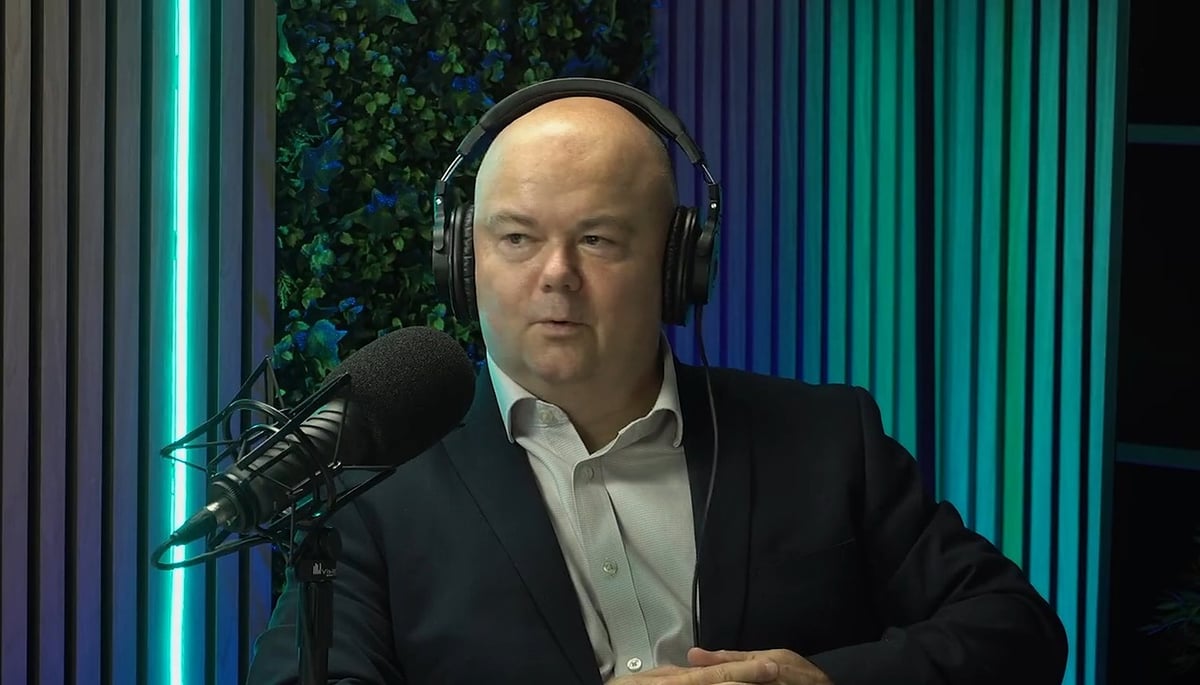
In a Budget Special of Legally Sound, the Ansons Law podcast, Neil Jones, Director and Joint Head of our Corporate and Commercial team, joined Martin De Ridder, Managing Director of Ansons Law, to explain what has changed, who it affects and why anyone planning an exit should act now. Neil advises on the sale and purchase of owner-managed businesses.
Key takeaways
- The BADR lifetime limit falls from £1 million to £500,000 for qualifying disposals on or after 6 April 2027.
- The BADR rate stays at 18%, against a main higher rate of Capital Gains Tax of 24%.
- The maximum lifetime saving falls from £60,000 to £30,000.
- New anti-forestalling rules mean exchanging contracts before April 2027 will not always secure the old limit.
- Owners planning a sale in the next year should speak to their advisers now.
What is Business Asset Disposal Relief?
BADR, previously called Entrepreneurs' Relief, reduces the Capital Gains Tax payable when a qualifying owner sells all or part of a business or shares in their personal company. There are conditions for the individual and for the company. Usually, for at least two years before the sale, the seller must be an officer or employee, must hold at least 5% of the shares and voting rights, and the company must be a trading company or the holding company of a trading group.
Neil describes it simply:
"Effectively it's a discount. It's a tax discount when you come to sell your business."
The relief was once far more generous. From 2011 it gave a 10% rate on up to £10 million of lifetime gains. The limit was cut to £1 million in March 2020, and the rate has since risen to 14% in 2025/26 and 18% from April 2026. Neil sees the latest cut as part of a long decline:
"As we saw in the autumn budget again, it's dying a slow death, isn't it?"
What has changed in the Budget?
From 6 April 2027, the lifetime limit falls from £1 million to £500,000. Gains within the limit are still taxed at 18%. Gains above it are taxed at the normal rates, which is 24% for higher and additional rate taxpayers.
For a higher or additional rate taxpayer, the saving from BADR is the 6% difference between those two rates. On a £1 million limit, that is worth up to £60,000. On a £500,000 limit, it is worth up to £30,000. As Neil puts it:
"So effectively the difference is that 6% rate on that £500,000 that's lost."
The government says three quarters of BADR claimants will be unaffected because their lifetime gains fall within the new limit. The limit is a lifetime one, so anyone who has already used part of it on an earlier sale will have less left.
The change was announced in the Budget and will be legislated in Finance Bill 2026-27. It is not yet law.
Who does this affect?
The change matters most to owners with gains between £500,000 and £1 million, or just above. For them, the extra £30,000 of tax is a real cost, and Neil is clear that it matters:
"A saving of up to £30,000 is not to be sniffed at at the end of the day."
For larger deals, the difference is smaller as a proportion of the price. Neil's view is that the tax should not dictate the deal on its own, but that some sellers will move faster:
"Is it a case of do you let the tax tail wag the commercial dog? But I think there will be people that will."
Is exchanging before April enough?
Not necessarily. Normally, for Capital Gains Tax, a sale takes place when an unconditional contract is made, even if completion happens later. For a conditional contract, the sale takes place when the condition is met, so a conditional exchange before April whose conditions are met after 5 April 2027 will fall under the new limit anyway.
The government has also announced anti-forestalling rules to stop sellers locking in the old limit with a contract signed before 6 April 2027 that completes afterwards. Under the proposals, where an unconditional contract is entered into before 6 April 2027 but completes on or after that date, the £500,000 limit will apply unless the parties can show that they did not enter into the contract with a purpose of obtaining a tax advantage from the timing. Where the parties are connected, they must show the contract was entered into for wholly commercial reasons. A seller who relies on one of these exceptions must also make a statement where the gain is over £100,000.
There are also rules for share reorganisations and share exchanges. Where an election to disapply the normal rules is made on or after 6 April 2027, the disposal is treated as happening at the time of the election, so the £500,000 limit applies.
A genuinely commercial deal that exchanges before April and completes later may still keep the £1 million limit if it passes these tests. The safest course, though, is to complete before 6 April 2027, not just to exchange.
Is BADR on its way out?
The relief has been cut three times since 2020. It remains worth having, but the direction is clear. Alongside the cut, the Budget announced a new Founders' Relief, offering a 10% rate on up to £10 million of gains. That relief is aimed at a small number of high-growth companies and most owner-managed businesses will not qualify. We cover it in a separate article on Founders' Relief.
What should business owners do now?
A sale takes months, not weeks. Due diligence, negotiation and finance all take time, and the window before 6 April 2027 is about five months.
- Work out your likely gain and whether you have used any of your lifetime limit before.
- Check you meet the BADR conditions, including the two-year qualifying period.
- Speak to your accountant or corporate finance adviser about value and timing.
- Instruct your solicitor early so the sale documents and due diligence are ready.
- If part of the price will be paid later, for example through an earn-out or loan notes, take advice on when each part of the gain is taxed.
- Plan to complete, not just exchange, before 6 April 2027.
Neil expects a busy few months:
"I would certainly expect that there would be a number of people within that price bracket who will look to accelerate their sales."
Neil Jones and Martin De Ridder discuss the BADR changes, Founders' Relief, employee share schemes and the wider Budget in the Budget Special of Legally Sound, the Ansons Law podcast. Watch the episode.
How we can help
Our Corporate and Commercial team, led by Neil Jones and Jamie Gill, advises owner-managed businesses on sales, acquisitions and exit planning. We work alongside your accountant so that the timing and structure of a sale are right.
If you are thinking of selling your business, please fill out the contact form on this page, email info@ansons.law or call 01543 267988 and a member of our Corporate and Commercial team will get back to you.
Tax rules can change, and the Budget measures described here still have to be passed into law. Take individual professional advice before acting.
This article is for general information only and does not constitute legal advice. Specific legal issues always require the advice of a qualified legal professional.



 Wrote this articleNeil JonesDirector, Joint Head of Corporate & Commercial, Compliance Officer for Legal Practice (COLP)