Pensions and inheritance tax from April 2027: Johnathan Dudley explains
By Ansons Law
Published 7 min read
In short
From 6 April 2027, most unused pension funds and death benefits will count towards a person's estate for inheritance tax. Johnathan Dudley expects the change to stay. Personal representatives will need a valuation from every pension provider and must settle any inheritance tax before they can obtain probate, which is likely to cause delays. Review your will and pension nomination forms together before then.
On this page
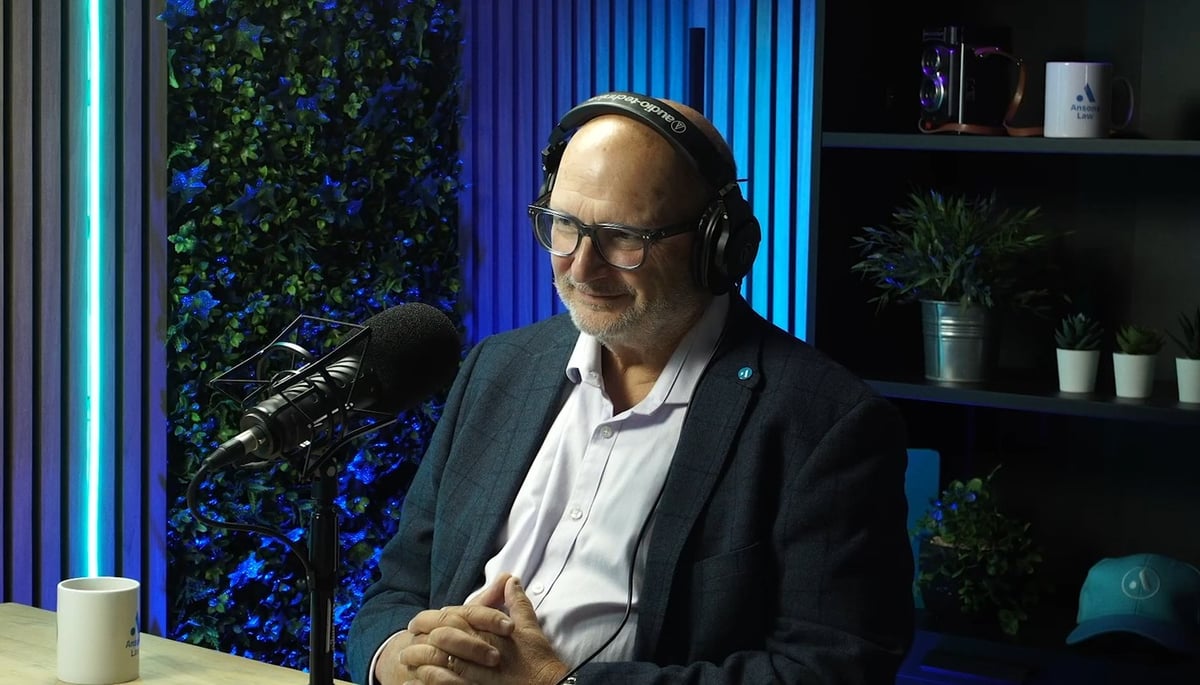
From April 2027, most unused pension funds will count as part of a person's estate for inheritance tax. On a recent episode of Legally Sound, the Ansons Law podcast, Johnathan Dudley gave his view on why the change is likely to stay, why it will make estates harder to administer, and what people with large pension pots are likely to do about it. Johnathan was a partner at accountancy firm Crowe for longer than any other partner in the firm and now works with Ansons as a consultant.
Key takeaways
- For deaths on or after 6 April 2027, most unused pension funds and death benefits will be included in the estate for inheritance tax.
- Johnathan expects the change to go ahead and to survive a future change of government.
- Personal Representatives (for example, executors of a will) will need valuations from pension providers before they can deal with the estate, which is likely to create delays in them being able to settle any inheritance tax liability and subsequently obtain Probate.
- Spending or giving away savings during your lifetime is likely to become more common as a planning response.
- Wills and pension nomination forms should be reviewed together before the change takes effect.
What is changing?
At present, most money left in a defined contribution pension when someone dies, if set up correctly, sits outside their estate for inheritance tax. That has made pensions one of the most effective ways of passing wealth to the next generation.
That ends for deaths on or after 6 April 2027. From then, unused pension funds and most pension death benefits will be added to the value of the estate. Where the estate exceeds the tax allowances and reliefs available to the Deceased's personal representatives, inheritance tax will be charged at 40% on the excess.
Some benefits are left out. Death in service benefits paid by registered pension schemes are excluded, and pension funds passing to a surviving spouse or civil partner will still benefit from the spouse exemption on death.
The change has caused real concern among people who have built up large pensions.
"There's a lot of financial consultants and a lot of individuals getting really, really worried, and emotive, about pension funds being 'robbed' by being included in the estate for inheritance tax purposes."
Why does Johnathan think the change makes sense?
Johnathan's view is that a pension is primarily a savings vehicle for retirement, not a device for passing on wealth. Seen that way, it is hard to justify treating it differently from other savings.
"A pension pot is just a savings plan, with a tax wrapper around it, and actually it's there to look after you during your old age."
If the money is not needed in retirement, he sees no reason why it should be treated more generously than a house or cash in the bank.
"So if there's money left over, why is that any different to your house, the money you've got in a building society, or whatever?"
Will the change actually go ahead?
There has been speculation that the change could be delayed or watered down. Johnathan does not expect it to be withdrawn, and does not think a future government of a different party would reverse it.
"I don't believe that that will get withdrawn. I think it will come in from 2027 because actually I think given the chance or the opportunity a future government of a different colour wouldn't remove it because actually I think that makes sense [and they will need the money it generates too]."
"Also in an environment where we are seeing less and less middle and lower classed families saving enough for retirement, there is a real need to double down on the messaging that putting money into pension is retirement saving, not estate planning."
The government has published the detail of how the new rules will work, and they apply to deaths on or after 6 April 2027.
How will it affect executors and probate?
The practical burden falls on the Deceased's personal representatives. Under the new rules, it is the personal representatives of the estate, not the trustees of the pension scheme, who are responsible for reporting and paying any inheritance tax falling due on the value of the pension as a component of the Deceased's estate.
That means personal representatives will need to identify every pension the person held, obtain a date of death valuation from each provider, and, if the estate is liable to inheritance tax, settle the inheritance tax and include those figures in the Account to be submitted to HM Revenue & Customs before they in turn authorise the personal representatives to apply for a Grant. Where someone has several old workplace pensions, that may take some time.
"It might get more detailed because the way that you try and administer it will be complicated because you've got to get valuations off pension companies before you get probate."
Beneficiaries can also be jointly liable for inheritance tax on pension funds they receive. Executors and families will need to agree early on how the inheritance tax liability will be met.
Inheritance tax is not the only tax to consider. Where the person dies aged 75 or over, beneficiaries usually pay income tax on what they draw from an inherited pension. In some cases both taxes will apply to the same fund.
How are people likely to respond?
On the podcast, the obvious response was discussed: if pension funds left on death will be taxed, the way to reduce the tax is to use them during your lifetime, either by spending the money or by giving it away.
With some exceptions, such as the annual gifting allowance available to individuals, gifts made during their lifetime generally fall outside of an individual's estate for inheritance tax purposes if they survive for at least seven years from the date of the gift. Gifts made out of surplus income, provided there is a pattern of giving and, having been made, they do not affect the individual's standard of living, can be exempt straight away, although this is a relief which must be claimed by the Deceased's personal representatives from HM Revenue & Customs. Any funds remaining at death will be taxed in the usual way.
"If you've got any left over at the end of the day then to the extent that you're exposed to inheritance tax, you're exposed to inheritance tax."
Gifting needs care. Assets given away generally cannot be taken back, and people need to be comfortable with the concept of gifting and also satisfied that they will have sufficient resources to maintain their standard of living after making the gift.
What should you do now?
If you have a pension pot you are unlikely to use in full, it is worth reviewing your position before April 2027. Get advice from a suitably qualified Independent Financial Adviser to help you do this.
- Find out what you have. List every pension you hold, including old workplace schemes, and get up to date valuations.
- Check your nomination forms. Make sure each scheme holds an up to date expression of wishes naming who you want to benefit.
- Review your will alongside your pensions. The two should work together, particularly if you want to make use of the spouse exemption.
- Work out whether your estate is likely to exceed the tax allowances and reliefs available to your personal representatives once the value of your pensions has been factored into the value of your estate as a whole.
- If you are thinking about lifetime gifts, take advice first on the seven year gifting rule and the potential for making gifts out of your surplus income.
- Keep clear records. Your personal representatives will need them to deal with the pension providers and potentially HM Revenue & Customs, if the estate is liable to inheritance tax.
Johnathan also discusses the forthcoming Budget, manufacturing and the outlook for businesses in the West Midlands. Watch the full episode.
How we can help
Our Wills and Private Client team helps clients plan their estates, prepare wills and deal with the administration of estates, including arranging for any inheritance tax liability to be settled and preparing and submitting the necessary account to HM Revenue & Customs. We can review your will and advise you on estate planning strategies in light of the April 2027 changes and work alongside your financial adviser.
If you need advice on inheritance tax, your will or the administration of an estate, please fill out the contact form on this page, email info@ansons.law or call 01543 267988 and a member of our Wills and Private Client team will get back to you.
This article is for general information only. It does not constitute legal, tax or financial advice, and the views Johnathan expresses are his own. Before making decisions about your pension, take advice from a suitably qualified independent financial adviser. Specific legal issues always require the advice of a qualified legal professional.