Diversify or die: Johnathan Dudley explains why manufacturers are moving into defence and nuclear
By Ansons Law
Published 6 min read
In short
Higher defence spending and small modular reactors are opening up new work for UK manufacturers, and Crowe's latest survey found over 70% of respondents engaged in or looking at defence opportunities. Steel import quotas and tariffs can add cost where the UK does not make the grades needed. Before taking on defence work, check the contract terms, liability, security requirements and export controls.
On this page
Many West Midlands manufacturers built their businesses on automotive, oil and gas or other traditional supply chains. On a recent episode of Legally Sound, the Ansons Law podcast, Johnathan Dudley explained why more of them are now looking at defence and nuclear work, and how steel import rules are affecting manufacturers that rely on grades not made in the UK. Johnathan was a partner at accountancy firm Crowe, has worked with manufacturers throughout his career, and is now a Consultant with Ansons.
Key takeaways
- Crowe's latest manufacturing survey found that over 70% of respondents are engaged in or looking at defence opportunities.
- Automotive suppliers in particular are under pressure to diversify.
- Small modular reactors are creating a new demand for high precision engineering.
- Steel import quotas and tariffs can hit manufacturers that need grades of steel the UK does not produce.
- Moving into defence brings new contract terms, security requirements and export controls that need to be understood before securing work.
Why are manufacturers looking at defence?
Higher defence spending has created new opportunities across the supply chain. Johnathan pointed to the latest Manufacturing Outlook survey from Crowe, produced with the Confederation of British Metalforming.
"Over 70% had responded they are actively looking at defence opportunities."
For businesses that have relied on the car industry, he sees this as a necessity rather than a choice.
"The automotive supply chain has to be on at least a long leash of needing to diversify or die, if I can use that phrase."
Where else are the opportunities?
Defence is not the only option. Johnathan is also seeing engineering businesses move into civil nuclear work as small modular reactors are developed.
"I'm starting to see, with the release of small modular reactors, there is now the kernel of advanced engineering servicing into that market."
That has helped businesses that previously supplied the oil and gas sector, which need the same precision skills.
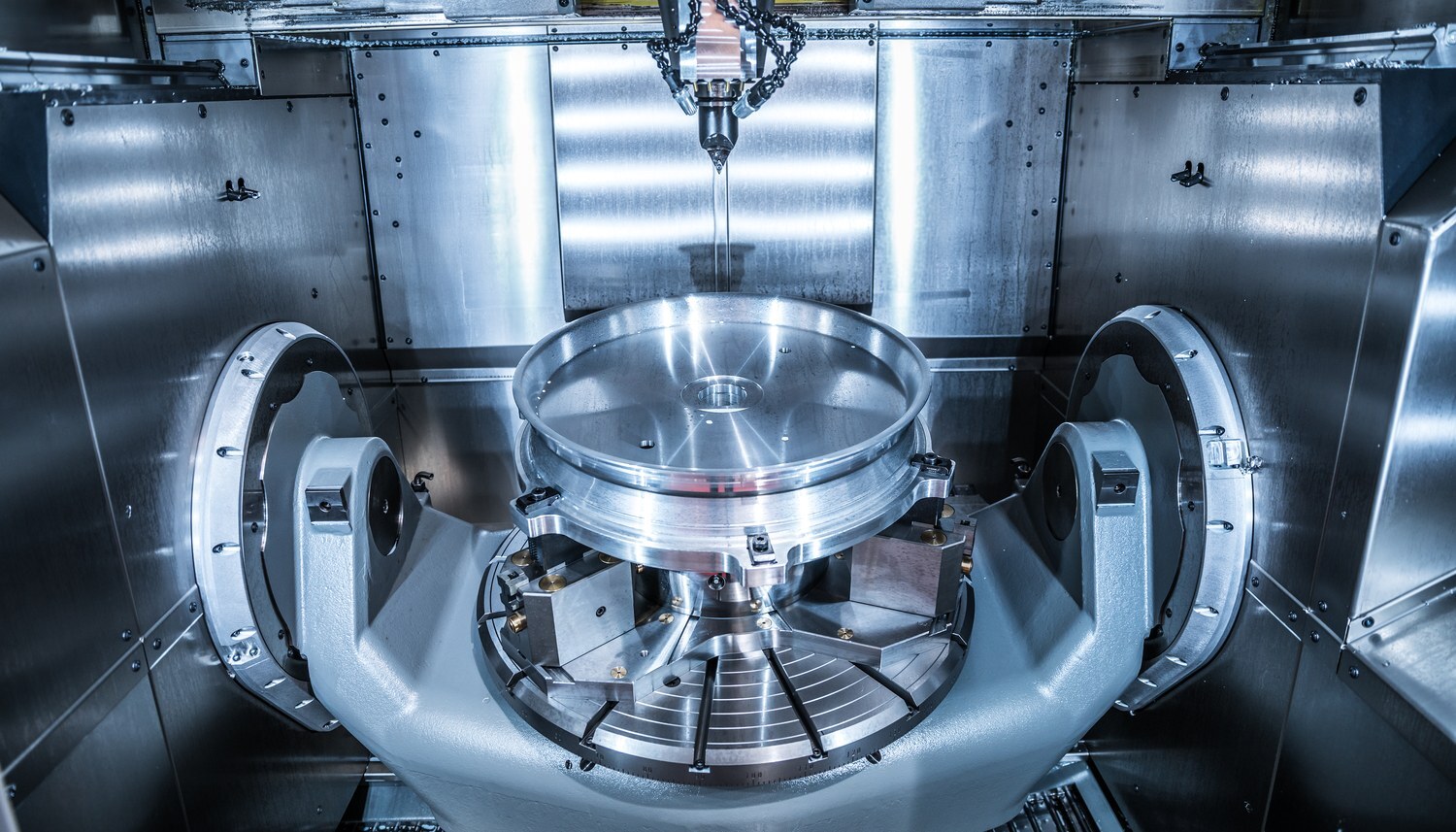
"People who've been servicing into oil and gas produce similar levels of high-precision engineered parts. They've been suffering due to cutbacks and delays in further oil and gas production from the North Sea, so they've been able to pivot."
What does the future of manufacturing look like?
Johnathan's view is that the direction of travel in defence, energy and transport is the same: smaller, lighter and more efficient products.
"Whether you're trying to power a warship or a drone, or a drone warship, or an aircraft or a tank, going forward in the next era, or even a car, it's all going to be about lighter, more agile, more battery technological advancements too."
He accepts that UK manufacturers have ground to make up in battery technology, but sees an opportunity for those who invest in it.
"Why can't we learn and get better? And why can't we actually drive the concept of being better, lighter, more agile? Because the better and lighter and more agile you get, then the more bang you get for your buck on your power usage."
How are steel import rules affecting manufacturers?
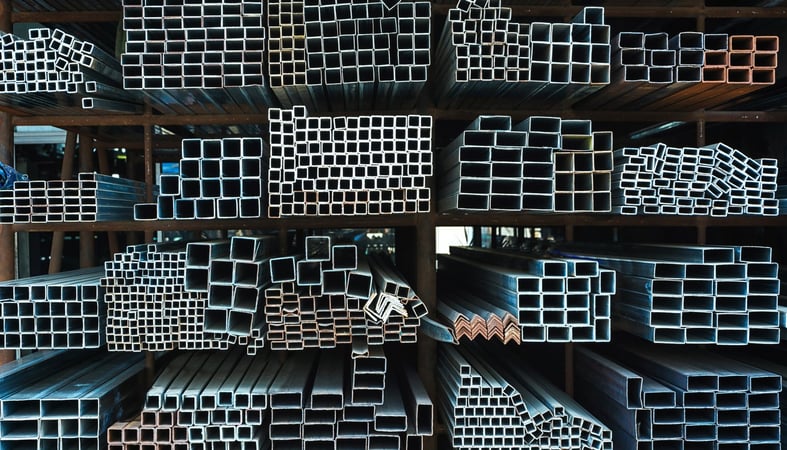
Several of the sectors the government has prioritised for growth in its Industrial Strategy, including advanced manufacturing, defence and clean energy, depend on specialist grades of steel.
"Those high-grade types of steel either have very limited capability, or none at all, of being produced in the UK."
The UK's steel safeguard regime expired at the end of June 2026 and was replaced on 1 July 2026 by a new steel trade measure. It reduces the volume of steel that can be imported tariff free and charges a 50% tariff on imports above the quota. The aim is to protect domestic producers.
Johnathan's concern is with grades that UK mills do not make at all. A tariff on those does not protect a UK job. It adds cost to the UK manufacturer that has to import the steel, and can make it cheaper to import a finished product from abroad.
"If we don't produce enough of the specific grades that we need, or if we don't produce any at all, what on earth is the point of imposing a tariff on that?"
Industry bodies have been making that case to the government. It has already taken some product codes with no UK production out of the measure, and has promised to review the measure after its first 12 months.
"It's really losing jobs by imposing tariffs on types of steel that we cannot, do not, and will not produce in the UK."
His view is that the position has improved but has not been resolved.
"It's better for now, but it still remains to be a problem. Mitigating measures are not comprehensive and, apparently, temporary."
What should manufacturers check before moving into defence?
Defence and nuclear work can be valuable, but the contracts are different from those most automotive or industrial suppliers are used to. Before taking on the work, there are some practical steps to take.
- Read the contract terms that flow down from the main contractor. Defence contracts often incorporate Ministry of Defence standard conditions, which can cover intellectual property, audit rights, termination and pricing.
- Check the liability position. Look at caps on liability, indemnities and liquidated damages, and make sure your insurance covers the work.
- Find out what security requirements apply. Many defence contracts require cyber security certification and controls on who can access information. Your staff may need specific security clearances, and some may even be required to sign the Official Secrets Act.
- Check whether export controls apply. Military and dual use goods, software and technical data may need an export licence before they leave the UK, even where they are sent to an overseas group company. Separately, if your business makes military or dual use items, or supplies the Ministry of Defence, a future sale of the business or a significant investment in it may need government approval under the National Security and Investment Act 2021, which can delay the deal, attach conditions to it or block it.
- Protect your own intellectual property. Be clear about what you are licensing to the customer and what you are keeping.
- Look at payment terms and cash flow. Long development periods and staged payments can put pressure on working capital.
Johnathan also discusses the forthcoming Budget, pensions and inheritance tax, and invoice finance. Watch the full episode.
How we can help
Our Commercial team advises manufacturers and engineering businesses on supply contracts, terms and conditions, intellectual property and disputes. We can review defence and nuclear supply chain contracts before you sign and help you negotiate terms that protect your business.
If you need advice on supply contracts or moving into a new sector, please fill out the contact form on this page, email info@ansons.law or call 01543 267988 and a member of our Commercial team will get back to you.
This article is for general information only and does not constitute legal advice. Specific legal issues always require the advice of a qualified legal professional.