Are you planning to build or extend your property over a sewer?
Are you planning to build or extend your property over a sewer?
Updated October 2025
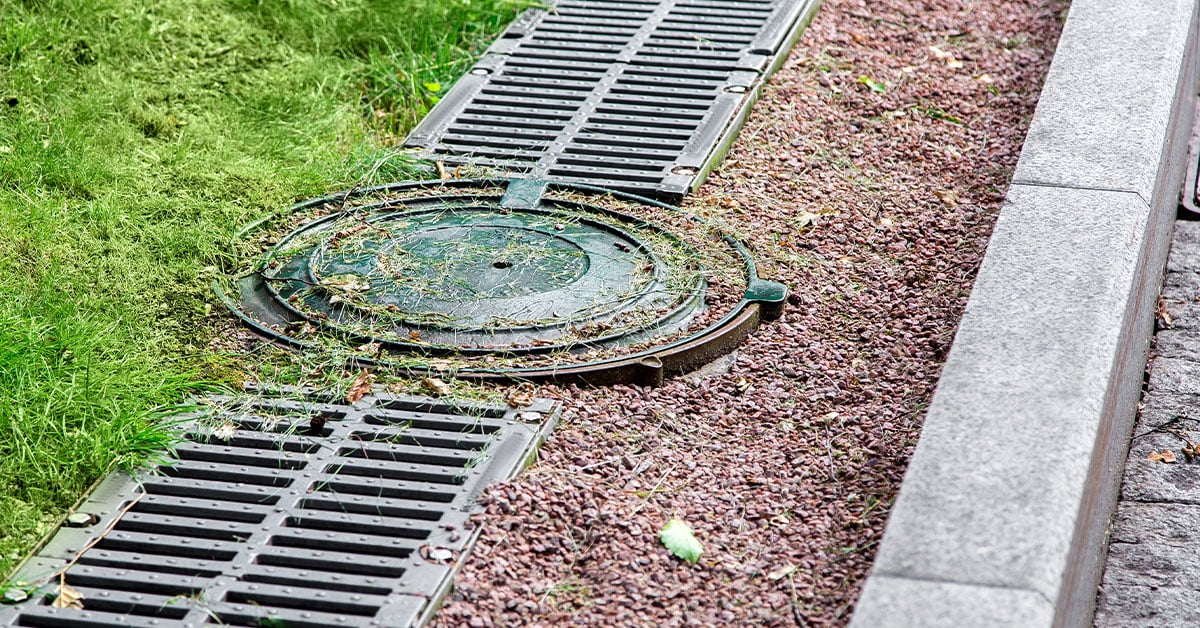
It’s not unusual for public sewers to run within the boundaries of private property. If you’re planning an extension or new building that will be built over or within three metres of a public sewer, you must obtain the correct permissions before any work begins.
Failing to do so could cause serious problems later — from expensive remedial work to issues when selling your home.
Why permissions matter
Building over or near a public sewer without permission can:
-
Lead to legal action or enforcement by the local water company
-
Cause structural or drainage issues
-
Prevent you from selling or remortgaging your property
Getting approval before construction is not just best practice — it’s a legal requirement in most cases.
What approvals are needed?
In addition to planning permission and building regulations approval, you’ll need permission from your local water authority for any development near a public sewer.
There are two main types of approval:
-
Self-certification approval – available for straightforward projects that meet all standard conditions.
-
Build-over agreement – required for more complex works or where the self-certification criteria are not met.
Both types of approval involve inspection after the work is complete to ensure it meets the required standard. Fees vary by region and can be found on your local water company’s website.
How to locate sewer pipes
If you’re unsure where the sewer pipes are located, you can:
-
Identify inspection chambers on your property and ask a qualified builder to open them safely to trace pipe routes; or
-
Arrange a CCTV drainage survey, which provides a detailed map of the pipes and their condition — highly recommended before any building work.
After the work is complete
Once construction is finished, the water authority will carry out a final inspection. If the work meets the necessary standard, they’ll issue a final approval certificate.
Keep this document safe — it will be required if you sell or remortgage your home. Missing paperwork can delay property transactions or trigger legal complications.
Need advice before building or buying?
If you’re planning to extend your home, build over a sewer, or are buying a property that may be affected, it’s important to get professional legal advice early.
Please fill out the contact form on this page, email info@ansons.law, or call 01543 267988, and a member of our Residential Property Team will be happy to assist.
Disclaimer: The contents of this article are for general information only and do not constitute legal advice. The law and HMRC guidance may have changed since publication. Always seek professional advice before taking action.